




July 2, 2018,
 Love, Relationship, Sex
  No comments
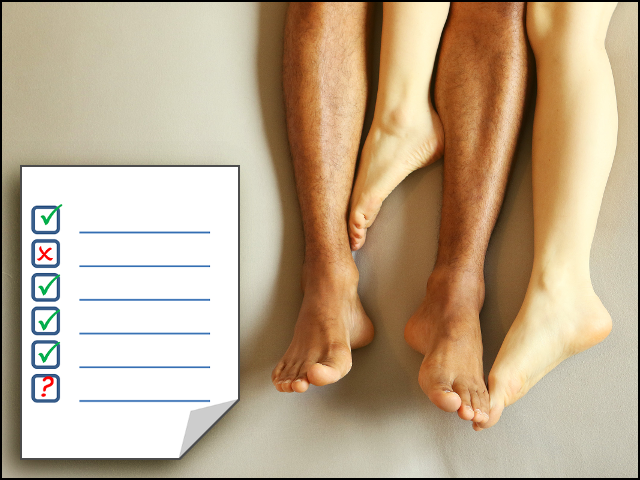
Each of us has our own turn-ons and turn-offs, and our degree of ease around each of these will impact how responsive we are to each other at any given time—not just sexually, but in all of our most intimate moments.
Sexual inhibitors and enhancers (we can think of them as intimacy inhibitors and enhancers), can be broadly categorised into four different types: physical, psychological, partner (the way you act in relationship), and place: the “four P’s” of Intimacy.
Sexual Inhibitors
Physical
- Libido differences
- Tiredness or physical fatigue
- Physical discomfort (headache, injury, illness)
- Poor general health
- Excess intake of alcohol or medications
Psychological
- Lack of emotional wellbeing (stress, anger, fear, guilt, sadness, anxiety, shame)
- Low self-esteem
- Inadequate understa...

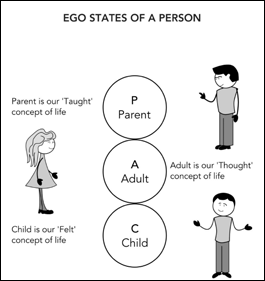 Many years ago, people believed that a healthy relationship looked like this: two complementary halves making a whole. Now we understand that a relationship that looks like this is far from complementary and where generally one person in the couple dominates the other.
 Some people say that forgiveness means giving up all hope for a better past. Ironically, the future and the present are caused by the past, and thereby the past becomes our future and the present defines our past. And the causes and the effects mix to such a level that it is hard to even understand where it all started in the first place and where it will lead.
 People often wonder whether Couples Counselling works when one partner isn’t present at the counselling session. Absolutely, yes, it works. If one of the partners change, then the other will respond to the changes. Of course, this does not guarantee positive change or that the relationship will work out, but it does start changing the situation from its current, unsatisfying state.